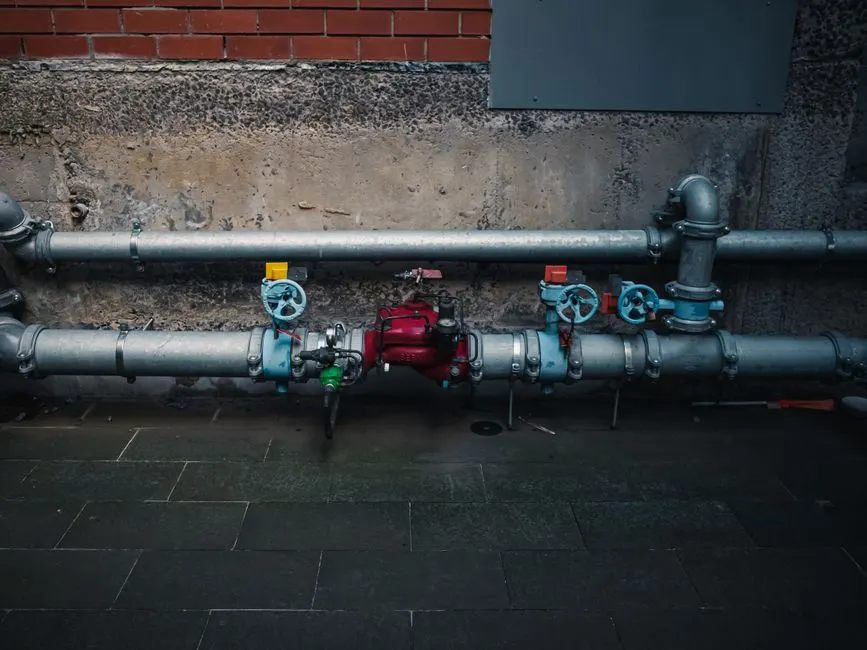
To shut off your water heater before a flood, close the cold-water inlet valve on top of the tank, then turn off the gas or flip the electric breaker. That stops new water from entering and kills the heat source. A failed tank can release 40 to 80 gallons in under an hour, so the valve is the first thing you reach for. This guide walks you through the exact steps for Gilbert homes, where to find the valve, and how to keep a small leak from becoming a flooded garage or hallway.
Why a Water Heater Floods in the First Place
A water heater floods because the tank, a fitting, or the relief valve fails under pressure. The most common culprit is a corroded tank floor. Gilbert's hard water runs 12 to 18 grains per gallon, and that mineral load eats through steel liners faster than soft water does.
Other causes we see on service calls across town:
- Failed T&P valve - the temperature and pressure relief valve sticks open and dumps water continuously.
- Loose inlet or outlet fitting - a slow drip at the top that soaks the insulation and rusts the tank top.
- Sediment buildup - scale collects on the burner, overheats the tank, and cracks the glass lining.
- Failed anode rod - once the sacrificial rod is gone, the tank itself becomes the sacrifice.
Most Gilbert homes have a 40- to 50-gallon tank in the garage or a hallway closet. When one lets go, the water follows the slab slope and heads for the lowest room in the house. That is usually a bedroom, a laundry, or the garage itself.
Where Is the Water Heater Shut Off Valve in Gilbert Homes?
The water heater shut off valve in Gilbert homes sits on the cold-water line entering the top of the tank. It is almost always a gate or ball valve within 12 inches of the tank, and it is the valve you close first in an emergency.
On newer builds in Water Damage Restoration in Power Ranch and similar subdivisions, that valve is a quarter-turn ball valve with a lever handle. On older homes near the Heritage District, you may find a round gate valve that takes several full turns to close. Both work. The ball valve is faster.
If you cannot find the valve, look for the copper pipe running into the top of the tank. Follow it back toward the wall. The valve is usually within arm's reach. In some Gilbert garages it is tucked behind the tank or above the platform. If your tank sits in a tight closet, keep a flashlight nearby so you can spot it fast.
One more thing: know where your main water shut off is too. It is typically at the street in a concrete box or on the side of the house near the hose bib. If the tank valve is stuck or broken, the main shut off is your backup.
Step-by-Step: How to Shut Off Your Water Heater Before a Flood in Gilbert AZ
Follow these steps in order. The whole process takes about two minutes if you have done it once before.
- Close the cold-water inlet valve. Turn the handle clockwise until it stops. For a ball valve, a quarter turn is enough. For a gate valve, keep turning until you feel resistance.
- Turn off the gas or electricity. Gas: turn the dial on top of the tank to the "OFF" or "PILOT" position. Electric: flip the breaker labeled for the water heater in your main panel.
- Open a hot-water faucet. Open any hot tap in the house. This relieves pressure in the tank and slows the leak.
- Connect a hose to the drain valve. The drain valve is at the bottom of the tank. Run the hose to a driveway, a curb, or a bucket. Open the valve and let the tank drain.
- Shut off the main water line if the tank valve fails. If the inlet valve will not close, go to the main shut off and kill water to the whole house.
If water is already pooling on the floor, stop the flow first, then deal with the puddle. Standing water in a Gilbert garage can wick into drywall within 20 minutes. We handle that with water extraction Gilbert AZ using truck-mounted units that pull hundreds of gallons an hour.
Gas vs. Electric: What Else You Need to Shut Down
Gas and electric water heaters need different shutdown steps, and getting this wrong can be dangerous. For a gas unit, turn the gas control knob to "OFF" or "PILOT." Do not try to relight it yourself if you smell gas. Leave the house and call the utility.
For an electric unit, flip the breaker. Do not just turn the thermostat down. The heating elements stay energized until the breaker is off. If the tank is already leaking onto the electrical connections, do not touch the unit. Kill the breaker from the panel and call us.
One detail Gilbert homeowners miss: if your water heater sits in the garage and the leak is small, the water may run under the slab or into the wall before you notice. By the time you see it, the damage is often behind the baseboard. That is a job for structural drying and dehumidification Gilbert AZ, not a shop vac.
Common Mistakes That Turn a Leak Into a Flood
The biggest mistake is waiting to see if the leak stops on its own. It will not. A failed tank or valve only gets worse under pressure.
Other mistakes we see:
- Closing the hot-water outlet instead of the cold inlet. That does not stop the supply. Water keeps coming in and pushing out the leak.
- Turning off the gas but leaving the water on. The tank still fills and overflows.
- Using the T&P valve as a shut off. That valve is a safety release, not a control valve. Opening it can make the leak worse.
- Not shutting off the breaker before draining. The upper element can run dry and burn out, or worse, short.
- Assuming the pan will hold it. A standard drain pan holds about 2 gallons. A 50-gallon tank holds 50.
If you have already made one of these mistakes and water is spreading, call us. We are set up for emergency water removal Gilbert AZ and can be on site fast to stop the damage from spreading into adjacent rooms.
How to Prevent a Water Heater Flood in Gilbert AZ
Preventing a water heater flood in Gilbert AZ comes down to maintenance and a few cheap upgrades. The average tank lasts 8 to 12 years here. If yours is past 10, start planning for replacement before it plans for you.
What we recommend to every homeowner:
- Flush the tank once a year. Gilbert's hard water leaves sediment that shortens tank life. A $150 to $250 flush is cheaper than a $1,200 tank replacement plus water damage.
- Replace the anode rod every 3 to 5 years. It is the cheapest insurance you can buy for a water heater.
- Install a leak detector. A $40 to $80 battery or Wi-Fi alarm sits in the pan and screams when it senses moisture.
- Add an automatic shut off valve. These units cost $150 to $400 installed and close the inlet the moment they detect a leak.
- Check the T&P valve annually. Lift the lever, let it snap back, and make sure it reseats. If it drips after, replace it.
If your tank is in a second-floor closet or above a finished room, prevention matters even more. Water from an upstairs heater can travel through the ceiling and into the walls before you see a drop. That is when water heater flood cleanup Gilbert AZ becomes a same-day priority.
When to Call a Professional
Call a professional the moment you cannot stop the water, smell gas, or see water wicking up drywall. Those are not DIY situations.
We get calls every week from homeowners in Water Damage Restoration in Val Vista Lakes and nearby neighborhoods who shut off the tank but still ended up with soaked carpet and baseboards. Shutting off the water stops the source. It does not dry the structure. Mold can start growing in 24 to 48 hours in Gilbert's indoor humidity, which runs higher than most people expect during monsoon season.
Our team handles the whole job: stop the leak, extract the water, dry the structure, and treat for mold if needed. We also work directly with your insurance adjuster so you are not stuck translating between a plumber and a claims rep.
Frequently Asked Questions
How do I shut off my water heater in Gilbert AZ?
Close the cold-water inlet valve on top of the tank, then turn the gas dial to OFF or flip the electric breaker. Open a hot tap to relieve pressure, then drain the tank through the bottom valve. The whole process takes about two minutes.
Where is the water heater shut off valve in Gilbert homes?
It sits on the cold-water line within 12 inches of the top of the tank. Newer Gilbert builds use a quarter-turn ball valve with a lever handle. Older homes may have a round gate valve that takes several turns to close.
Can I shut off water heater myself in Gilbert Arizona?
Yes, if you can safely reach the valve and the breaker or gas dial. Do not attempt it if you smell gas, see standing water near electrical connections, or the valve will not turn. Call a licensed plumber or restoration company instead.
How to prevent water heater flood in Gilbert AZ?
Flush the tank annually, replace the anode rod every 3 to 5 years, and install a leak detector plus an automatic shut off valve. Gilbert's hard water shortens tank life, so plan for replacement around the 10-year mark.
How much water can a failed water heater release?
A standard 40- to 50-gallon tank dumps its full capacity in under an hour once the tank or a fitting fails. If the inlet valve stays open, water keeps flowing until you shut off the main line.
Get Help with Water Damage Restoration in Gilbert
If your water heater has already leaked, do not wait to see how bad it gets. We handle Water Damage Restoration Gilbert AZ from emergency extraction through final drying, and we work with your insurance to keep the process simple.
Call A1 Water Damage Restoration Gilbert AZ at 480 576-9826 and we will be on our way.