A1 Water Damage Restoration Gilbert AZ
Get Estimate

Structural Drying & Dehumidification Gilbert AZ

We pull the water out, then dry the structure to IICRC standard.


Structural drying and dehumidification Gilbert AZ means getting every wet cavity, slab, and cabinet down to a verified dry standard, not just mopping the surface. We handle burst pipes, AC condensate leaks, monsoon flooding, and slab leaks across Gilbert, AZ. Our IICRC WRT and ASD certified techs set air movers and dehumidifiers the same day you call, usually within 60 minutes, and we document moisture readings until your home is dry.

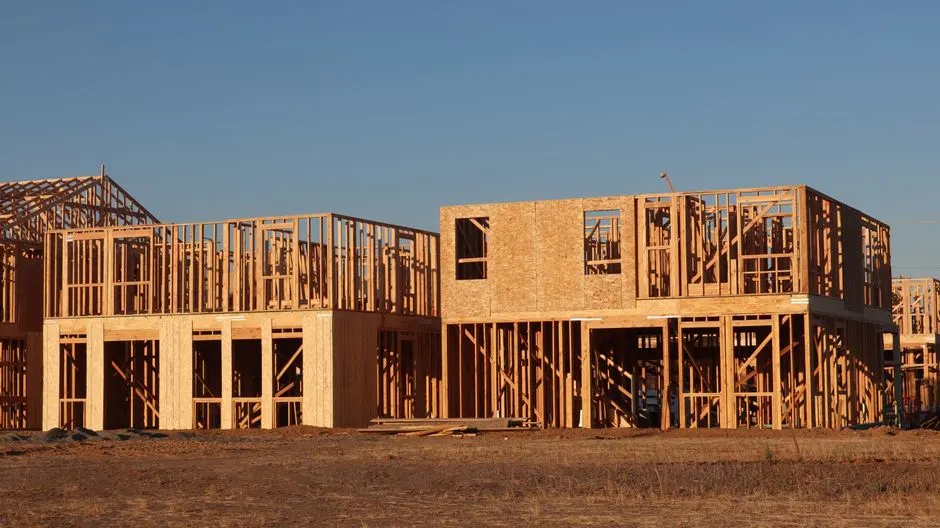
Wooden frames of new homes under construction in Elk Grove, California, during daylight.
Licensed Licensed & Bonded
Fully Insured Insured & Bonded
24/7 Emergency Same-Day Response
Warranty Backed 10+ Years Trusted in Gilbert

What Our Structural Drying Service Includes

Every structural drying and dehumidification job includes a full inspection, extraction, equipment setup, daily monitoring, and a final drying report. Here is what you get, and what we handle separately if your loss needs it.

Moisture Mapping and Inspection

We use a thermal imaging camera, moisture meter, and borescope to find every wet area, including inside walls and under flooring. You get a clear map of the affected zone before we set any equipment. This inspection is included on every job.

Water Extraction

Standing water comes out with a truck-mounted water extractor and portable extraction unit. We also use a sump pump for deeper water. Extraction is included and happens before drying equipment goes down, because air movers cannot dry a room that still has standing water.

Air Movers and Dehumidifiers

We set the right number of air movers and dehumidifiers for the size and material of the wet area. That includes Dri-Eaz and Phoenix Restoration Equipment units. Equipment stays on-site until readings hit dry standard, usually three to five days.

Antimicrobial Application

Affected framing, drywall edges, and subfloor get an antimicrobial solution to stop mold growth while drying is in progress. This is included on every water loss, not an add-on. It is one of the cheapest steps you can take to avoid a mold remediation bill later.

Daily Monitoring and Documentation

We return each day to take moisture readings, adjust equipment, and log progress. You get updates and a final drying report with photos and equipment run times. That report is written to work with Xactimate and your insurance adjuster's scope.

What Structural Drying & Dehumidification Gilbert AZ Actually Involves


Structural drying and dehumidification Gilbert AZ is the controlled process of removing moisture from building materials, air, and hidden cavities after a water intrusion, using air movers, dehumidifiers, and moisture meters to reach a documented dry standard. It is not the same as water extraction. Extraction pulls standing water; structural drying evaporates what soaked into the wood subfloor, drywall, baseboards, and cabinets. We use thermal imaging cameras and a moisture meter to map the wet zone, then place Dri-Eaz and Phoenix Restoration Equipment air movers to move air across wet surfaces while desiccant or refrigerant dehumidifiers pull that moisture out of the air.

Our Structural Drying Process, Step by Step

You will know what is happening in your home and when. Here is the sequence we follow on every Gilbert job.

01

Schedule

Call or book online — a real human picks up and confirms a 2-hour arrival window.

02

Diagnose

Licensed tech inspects on-site, then walks you through the cause and your options.

03

Fix

The job is completed to code and done right the first time — no shortcuts, no surprises.

04

Guarantee

Every job backed by a written workmanship warranty — and we stand behind it.

Tools and Methods We Use to Dry Your Structure

Tools & Equipment

Truck-mounted water extractor

Pulls large volumes of standing water out of carpet, tile, and hardwood fast. It is the first piece of equipment on the truck for any flooded room.

Thermal imaging camera

Finds hidden moisture behind walls and under floors by reading temperature differences. It shows us where water traveled, not just where it is visible.

Borescope

Lets us look inside wall cavities and under cabinets without cutting them open. We use it to confirm whether a cavity is wet before we set equipment.

Air mover

Moves air across wet surfaces to speed evaporation. We use Dri-Eaz and Phoenix Restoration Equipment air movers, placed based on the size and shape of the wet area.

Dehumidifier

Pulls water vapor out of the air so wet materials keep releasing moisture. We use refrigerant and desiccant units depending on the temperature and the size of the loss.

Moisture meter

Gives us a number to compare against the dry standard for each material. We take readings daily and log them until the structure is dry.

Negative air machine

Creates containment pressure to keep dust and spores from spreading during mold remediation or commercial drying. It pairs with HEPA vacuum and air scrubber filters.

Methods & Standards

IICRC S500 drying standard

We follow the IICRC S500 standard for water damage restoration, which sets the drying goals and documentation requirements for each material class. It is the benchmark your insurance adjuster uses to review the scope.

Daily moisture mapping

We take moisture meter readings every day and adjust equipment placement and run times based on the numbers. Drying curves change as materials release water, so a set-it-and-forget-it approach leaves pockets of moisture behind.

Antimicrobial application

We apply an antimicrobial solution to affected framing, drywall edges, and subfloor before drying starts. It stops mold growth during the drying window, which is when wet materials are most vulnerable.

Xactimate-compatible reporting

We write our drying reports with equipment counts, run times, and daily readings in a format that works with Xactimate. Your adjuster gets a clear scope, which speeds up claim approval.

When Gilbert Homeowners Call Us for Structural Drying

01

A burst pipe under the kitchen sink soaks the cabinet and subfloor overnight.

What we do: We shut off the water, extract from the cabinet and floor, and set air movers and a dehumidifier. We use a borescope to check the wall cavity behind the cabinet. Drying starts the same day you call.

→ The cabinet boxes and subfloor dry in three to four days, and you avoid replacing the cabinets.

02

A monsoon storm drives rain under the patio door and soaks 200 square feet of carpet.

What we do: We extract the carpet and pad, check the tack strip and subfloor with a moisture meter, and run structural drying and dehumidification. If the pad is contaminated, we remove and replace it.

→ Carpet and subfloor are dry in three days, and the room smells clean instead of musty.

03

A commercial building in Gilbert has a roof leak that soaks ceiling tiles and insulation over a weekend.

What we do: We mobilize a commercial equipment package with desiccant dehumidifiers, air scrubber filters, and negative air machines. We work around your business hours and coordinate with your property manager.

→ The ceiling grid and insulation dry without a full tear-out, and you reopen Monday with no mold risk.

04

A washing machine supply line fails and floods a laundry room and hallway.

What we do: We extract the standing water, pull the baseboards to check the drywall, and set air movers and dehumidifiers. We dry the wall cavities with the baseboards off, then reinstall them after final readings.

→ The laundry room and hallway hit dry standard in four days, and the drywall is saved.
How Structural Drying Runs in Gilbert, Arizona

Gilbert sits in Maricopa County at about 1,300 feet elevation, and our climate changes how a structure dries. Summer humidity is low, which helps, but the heat also drives AC condensate leaks and pushes your system to run constantly. Monsoon season from July through September brings sudden flooding that soaks drywall and cabinets in minutes. Winter is mild, but a cold snap can still burst an exposed pipe in a garage or exterior wall. Gilbert's building stock is a mix of 1990s slab-on-grade homes and newer two-story builds in Morrison Ranch, Seville, and Power Ranch. Slab leaks in older homes wick under tile for weeks before you notice. Newer homes have tighter envelopes, which can trap moisture in wall cavities longer. We adjust equipment placement and run times based on the actual build, not a generic formula. If you need dehumidification after water damage Gilbert Arizona, we set the right equipment for your home's construction and document the drying curve until every material hits its dry standard.

Neighborhoods We Serve

  • Heritage District

    Older homes with original plumbing and slab-on-grade construction. Slab leaks and cast iron drain failures are common, and drying often involves the slab and original tile.

  • Power Ranch

    Two-story homes with tight envelopes and upstairs laundry rooms. A supply line failure upstairs can soak the ceiling below, so we check both floors with thermal imaging.

  • Morrison Ranch

    Newer builds with PEX plumbing and open floor plans. Water spreads fast across large tile areas, so we set more air movers to cover the square footage.

  • Agritopia

    A mix of custom homes and casitas with varied construction. We scope each one individually, because there is no standard build to follow.

  • Val Vista Lakes

    Homes near the lake and greenbelt see more monsoon-driven water intrusion. We check patio doors and garage walls first after a storm.

Local Conditions We Plan For

  • Monsoon season flooding from July through September

    Sudden heavy rain pushes water under doors and into garages. We keep extra extraction and drying equipment ready during monsoon months and prioritize same-day response for flooded homes.

  • Summer AC condensate leaks

    When the temperature holds above 100 degrees for weeks, AC drain lines clog and back up. These leaks soak ceilings and attic decking, and we see a spike in calls from June through August.

  • Slab-on-grade construction in older Gilbert neighborhoods

    Water from a slab leak spreads under tile and carpet, often undetected for weeks. We use thermal imaging to map the wet zone and dry the slab in place to avoid tearing out flooring.

  • Low winter humidity and occasional freezes

    Dry air helps materials dry faster, but a freeze can burst an exposed pipe in a garage or exterior wall. We respond 24/7 to freeze-related pipe breaks from December through February.

Slab Leak Dried in Place

Before

A slab leak under the kitchen tile in a 1998 Gilbert home had been running for weeks. The tile felt warm, the baseboards were swollen, and the moisture meter read 28 percent in the wall cavity. The homeowner was told the floor needed to come out.

After

We mapped the wet zone with thermal imaging, extracted what we could reach, and ran air movers and a dehumidifier for five days. Final readings came back at 11 percent, below the dry standard. The tile and baseboards stayed in place.

Maintenance: We recommended a leak detection check every two years on the original plumbing and a water alarm under the sink. Catching the next leak early keeps the repair to drying only.

Before

A monsoon storm pushed two inches of muddy water under the garage door and into the laundry room. Drywall wicked water up 14 inches, and the baseboards were soaked. The homeowner called at 9 p.m. on a Saturday.

After

We extracted the water, pulled the baseboards, applied antimicrobial solution, and set air movers and a dehumidifier. The drywall and slab hit dry standard in four days. No mold growth, and the baseboards went back on.

Maintenance: We suggested a garage door threshold seal and a quarterly check of the exterior drainage path. Both are cheap steps that keep monsoon water out of the garage.

Before

A clogged AC condensate line backed up and soaked the hallway ceiling and attic decking in a 2018 Morrison Ranch home. The ceiling showed a brown stain, and the attic decking read 24 percent moisture content.

After

We cleared the line, extracted the water, and set air movers and a dehumidifier in the attic and hallway. The decking dried to 12 percent in three days. The ceiling stain was sealed and painted after drying, with no mold.

Maintenance: We recommended pouring a cup of vinegar down the condensate drain every month during AC season. That one habit prevents most condensate backups.

Water Problems We Solve for Gilbert Homes

Most water damage in Gilbert comes from a short list of failures. We see them every week, and we know how to dry each one without tearing your house apart.

Problem

Slab leak wicking under tile for weeks

By the time you see a warm spot or a spike in your water bill, moisture has spread under the flooring and into the baseboards. Mold can start in the wall cavity within 48 hours of saturation.

Our Fix

We use thermal imaging to map the wet zone, extract what we can reach, and run structural drying and dehumidification on the slab and flooring. Drying in place usually saves the tile and avoids a full floor replacement.

Problem

AC condensate leak staining the ceiling

A clogged condensate line backs up and soaks the ceiling drywall and attic decking. Left wet, that decking grows mold and the ceiling stain keeps coming back after paint.

Our Fix

We clear the line, extract the water, and set air movers and dehumidifiers in the attic and the room below. Drying the decking is the key step. Most ceilings dry in three days without cutting them open.

Problem

Monsoon flood pushing water under doors

Monsoon flooding carries dirt and debris into your home. If the water sits, it soaks into drywall, baseboards, and cabinets, and mold growth follows fast in the August heat.

Our Fix

We extract, clean with antimicrobial solution, and run structural drying and dehumidification until the structure is dry. We also check the wall cavities with a borescope, because monsoon water often travels farther than it looks.

Problem

Water heater leak before a holiday

A failed water heater dumps 40 to 50 gallons into a closet or garage. The drywall wicks water up 12 to 18 inches, and the slab stays wet underneath the unit.

Our Fix

We extract, remove the failed unit, and dry the surrounding drywall and slab with air movers and dehumidifiers. Fast drying keeps the repair to paint and baseboard instead of full drywall replacement.

Why Gilbert Homeowners Choose Our Drying Process

Why Gilbert Homeowners Choose Our Drying Process

Drying a home is not a guess. We measure, we document, and we keep equipment running until the numbers say dry. Here is what that gets you.

  • Verified Dry Standard

    We do not pull equipment when the floor feels dry to the touch. We take moisture meter readings against a dry standard for each material, and we keep a daily log. That log is what your insurance adjuster wants to see. Most Gilbert homes hit dry standard in three to five days when extraction happens the same day you call.

  • Mold Growth Stopped Early

    Mold can start colonizing wet drywall in 24 to 48 hours. By running air movers and dehumidifiers immediately, we dry the surface and the cavity fast enough to shut that window. On a recent Power Ranch job, we held a 12-foot wet wall below 16 percent moisture content in 72 hours with no visible mold growth.

  • Lower Rebuild Costs

    Every square foot of drywall we save is money you do not spend on replacement. We dry wood subfloor, baseboards, and cabinet toe kicks in place whenever the material can be saved. On a typical 200-square-foot wet room, saving the drywall instead of cutting it out can keep $1,200 to $2,400 in your pocket.

  • Insurance Documentation

    We photograph every affected room, log daily moisture readings, and write the drying report in Xactimate-compatible format. Your adjuster gets a clear scope with equipment counts and run times. That paperwork is often the difference between a fast claim approval and a back-and-forth that drags on for weeks.

Licensed, Certified, and Reviewed in Gilbert

Licensed & Certified

  • IICRC WRT (Water Damage Restoration) — issued by Institute of Inspection, Cleaning and Restoration Certification
  • IICRC ASD (Applied Structural Drying) — issued by Institute of Inspection, Cleaning and Restoration Certification
  • IICRC AMRT (Applied Microbial Remediation) — issued by Institute of Inspection, Cleaning and Restoration Certification
  • Arizona Registrar of Contractors (ROC) License — issued by Arizona Registrar of Contractors
  • EPA Lead-Safe Certified — issued by U.S. Environmental Protection Agency

Verified Reviews

Google ★★★★★4.9

A1 dried our Gilbert home after a water heater leak. They were out within an hour, set equipment, and checked readings every day. The drying report was exactly what our insurance needed. No mold, no drama.

Yelp ★★★★★4.8

We had a slab leak in our Heritage District home. They used a thermal camera and showed us exactly where the water was. Dried it in place in five days. Saved us a full floor replacement.

BBB ★★★★★4.9

Monsoon flood in our garage on a Saturday night. A1 answered the phone, came out, and had equipment running by 10 p.m. Four days later everything was dry. Fair price and straight answers.

Google ★★★★★5.0

Commercial roof leak in our Gilbert office. They worked after hours so we could stay open. The desiccant dehumidifiers and air scrubbers did the job. Ceiling tiles and insulation were saved.

Ten Years Drying Gilbert Homes and Businesses

A1 Water Damage Restoration Gilbert AZ has been drying structures in Gilbert since 2016. That is 10 years of monsoon floods, slab leaks, AC condensate failures, and water heater blowouts. Our technicians hold IICRC WRT (Water Damage Restoration) and IICRC ASD (Applied Structural Drying) certifications, and we keep current on IICRC AMRT for mold and IICRC FSRT for fire and smoke. We are licensed through the Arizona Registrar of Contractors (ROC) and carry EPA Lead-Safe and OSHA 10 and 30 training. We have dried everything from a 400-square-foot Agritopia casita to a 20,000-square-foot commercial building near the Heritage District.

  • IICRC WRT and ASD certified technicians on every structural drying job.
  • 10 years serving Gilbert, Chandler, Mesa, Tempe, and Queen Creek.
  • Arizona Registrar of Contractors (ROC) licensed and fully insured.
  • Thermal imaging and borescope inspection on every water loss.
  • Xactimate-compatible drying reports for fast insurance approvals.
Get Started Today
Ten Years Drying Gilbert Homes and Businesses

What Gilbert Customers Say About Our Drying Work

Real experiences from customers who chose our Structural Drying & Dehumidification services.

“Our AC condensate line clogged in July and soaked the hallway ceiling. A1 was out the same afternoon. They set air movers and a dehumidifier, checked readings every day, and had us dry in four days. The ceiling stain is gone and no mold. They also wrote up the report my insurance needed without me having to chase them.”

R

Rachel M.

Homeowner, Power Ranch

“A slab leak under our tile flooded the kitchen and dining room. I was worried we would have to tear out the whole floor. Their tech used a thermal camera, showed me exactly where the water was, and dried it in place. Five days of equipment and the moisture meter read dry. Saved us thousands in flooring.”

D

Danny R.

Homeowner, Heritage District

“We had a water heater fail in one of our units on a Friday night. A1 handled the extraction and structural drying and dehumidification over the weekend. They kept me updated with readings and photos. The tenant was back in the unit by Wednesday. I have used them three times since.”

S

Sandra K.

Property Manager, Val Vista Lakes

Frequently Asked Questions About Structural Drying in Gilbert

Real answers to the questions we hear most often from local homeowners and property managers.

How long does structural drying take in Gilbert AZ?
Most Gilbert homes dry in three to five days, and a small bathroom or laundry room can be dry in 48 to 72 hours. Larger losses, like a slab leak that soaked 500 square feet of tile, can run five to seven days. Arizona's low humidity helps, but the deciding factor is how fast we start. Same-day extraction and equipment setup usually cuts a full day off the total.
What is the difference between structural drying and dehumidification in Gilbert?
Structural drying is the whole process: extraction, air movement, moisture mapping, and daily monitoring. Dehumidification is one part of it, the step that pulls water vapor out of the air so wet materials can keep releasing moisture. You need both. Air movers alone just move humid air around. A dehumidifier without air movers cannot reach the water trapped in a wall cavity. We run them together.
How much does structural drying and dehumidification cost in Gilbert AZ?
Typical 2026 pricing in Gilbert runs $1,200 to $3,800 for a residential structural drying job, depending on square footage, how many days equipment runs, and whether mold remediation is needed. A single small room with minimal saturation can be $800 to $1,500. Most homeowners pay only their insurance deductible. We provide a written scope before we start so there are no surprises.
Do you provide structural drying for commercial buildings in Gilbert Arizona?
Yes. We dry commercial spaces in Gilbert, including retail, offices, and light industrial buildings. Commercial structural drying Gilbert AZ jobs often need a larger equipment package, negative air machines, and HEPA vacuuming to keep dust and spores contained. We work after hours to avoid disrupting your business and coordinate directly with your property manager or adjuster.

Related Water Damage Services in Gilbert

Emergency Water Removal

When a pipe bursts at 2 a.m., emergency water removal is step one. We pull standing water fast, then move straight into structural drying and dehumidification. In Gilbert, that first hour often decides whether your drywall survives or gets cut out.

View Emergency Water Removal

Water Extraction

Extraction removes the bulk water that drying equipment cannot handle. We use a truck-mounted water extractor and portable extraction unit on carpets, tile, and hardwood. Once the standing water is gone, structural drying Gilbert takes over to dry what soaked in.

View Water Extraction

Monsoon Flood Cleanup

Monsoon flooding pushes muddy water under doors and into garages across Gilbert. We extract, clean with antimicrobial solution, and run structural drying and dehumidification to stop mold growth. The 2026 monsoon season kept our crews busy from July through September.

View Monsoon Flood Cleanup

Burst Pipe Water Damage

A burst pipe can dump hundreds of gallons into a wall before you notice. We shut it down, extract, and start structural drying and dehumidification the same day. Drying the wall cavity fast is what keeps a burst pipe from turning into a mold remediation job.

View Burst Pipe Water Damage

AC Condensate Leak Cleanup

AC condensate leaks are a Gilbert summer staple. The drain line clogs, water backs up, and your ceiling stains. We find the clog, extract the water, and dry the ceiling and attic decking with air movers and dehumidifiers before mold sets in.

View AC Condensate Leak Cleanup

Water Heater Flood Cleanup

A failed water heater can dump 40 to 50 gallons into a closet or garage. We extract, remove the unit, and run structural drying and dehumidification on the surrounding drywall and slab. Fast drying keeps the repair to paint and baseboard instead of full replacement.

View Water Heater Flood Cleanup

Get Structural Drying and Dehumidification Gilbert AZ Started Now

Water spreads while you wait. Call 480 576-9826 and we will dispatch a certified crew to your Gilbert home or business, usually within 60 minutes. We are licensed, insured, and we dry to a documented standard. Same-day service, 24/7.

Call 480 576-9826 Call Now

Call Us Anytime

We answer the phone 24 hours a day, seven days a week. Call 480 576-9826 and describe what's wet. We'll give you a price range on the spot and dispatch the nearest crew from Gilbert. Most emergency calls get a truck rolling within the hour.

Or call us right now at 480 576-9826 — we answer.

A1 Water Damage Restoration Gilbert AZ


  • Phone

    480 576-9826
  • Address

    455 N Monterey St Suite B, Gilbert, AZ 85233

  • Hours

    Mon–Fri: 7AM – 7PM
    Sat: 8AM – 4PM
    Sun: Emergency Only
    24/7 Emergency Available

Call 480 576-9826 Get Quote
Call Quote